
Babesiosis: The Other Tick Disease You Should Know
Lyme disease isn’t the only tick-borne disease to worry about as the weather warms. Babesiosis (ba-BEE-see-OH-sis), a disease transmitted by the blacklegged tick, occurs in the Americas, Europe, Asia, and Africa, but is most common in the American Northeast and Midwest—where cases are rapidly on the rise.
Santiago Sanchez-Vicente, PhD, an associate research scientist in the Center for Infection and Immunity at Columbia’s Mailman School of Public Health who studies tick-borne diseases, explains what makes babesiosis different from other tick-borne diseases and why we should pay attention to this emerging threat.
How do you get babesiosis?
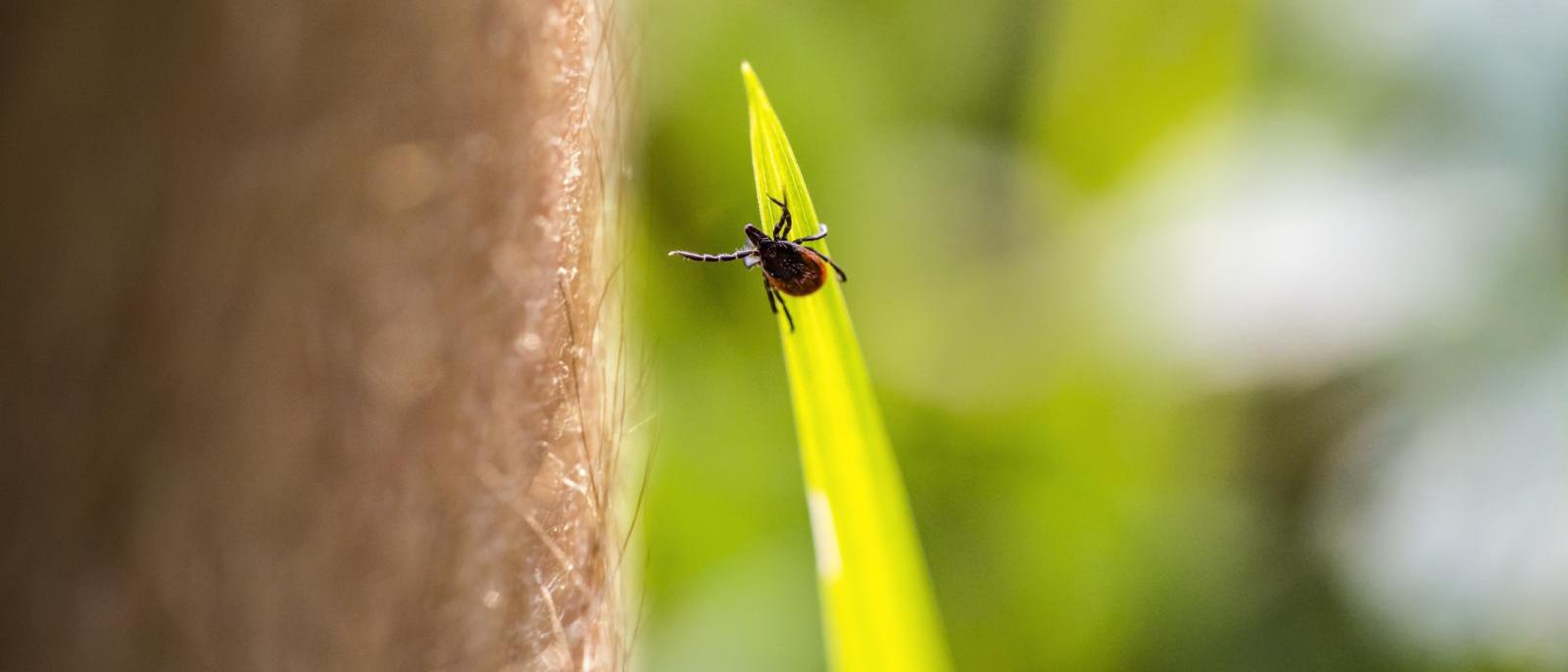
Most ticks live in wooded or grassy areas and are active from the spring through the fall. If you come into contact with leaves, tall grass, or bushes during tick season, you may be exposed to ticks that carry harmful bacteria and parasites, which can travel to your blood if you’re bitten. Babesiosis is caused by parasites from the blacklegged tick (Ixodes scapularis, also known as the deer tick)—the same tick that transmits Lyme disease.
Ticks can carry several kinds of microbes at the same time, so it’s possible to get multiple tick-borne diseases from a single bite, known as a co-infection. Fortunately, most tick bites don’t cause babesiosis or other diseases. But the longer the tick stays attached to the skin, the higher the risk becomes.
In very rare cases, babesiosis can pass from parent to child during pregnancy or from blood transfusions if the donor was unknowingly infected. Tick-borne diseases are not contagious.
What are the symptoms of babesiosis?
Not everyone with babesiosis experiences symptoms. Others experience flu-like symptoms that start within one to four weeks after being bitten and can last from weeks to months, such as:
- Fever
- Chills
- Muscle aches or joint pain
- Headache
Babesiosis can resemble other tick-borne diseases in the early stages of infection. However, babesiosis doesn’t cause characteristic skin rashes that are seen with Lyme disease. Some people with babesiosis may not even realize they’ve been bitten by a tick.
Why should I be aware of babesiosis?
Babesiosis has been found in parts of the Northeast and Midwest for almost 50 years, but it hasn’t been very common. However, between 2011 and 2019, cases significantly increased in Northeastern states, including New York. The largest increases have occurred in Maine, New Hampshire, and Vermont.
All tick species are expanding further north due to climate change. The higher temperatures and milder winters prolong the life cycle of the tick, so they remain active year-round. The tick population is higher now than ever before.
How is babesiosis different from Lyme disease?
Babesiosis and Lyme disease are both transmitted by blacklegged ticks—particularly those in the immature nymph stage. However, babesiosis is caused by a parasite, while Lyme disease is caused by bacteria. If you’re bitten by a tick and develop symptoms of Lyme disease, you’ll also likely be tested for babesiosis if the bite occurred in an area where babesiosis is common.
These infections also cause different symptoms. The parasites that cause babesiosis infect red blood cells, which can lead to hemolytic anemia, while Lyme disease primarily affects the skin, joints, nervous system, and heart.
In addition, babesiosis can be more severe than Lyme disease in certain high-risk groups. In most healthy people, babesiosis symptoms resolve on their own. But in people who don’t have a spleen or who are immunocompromised, the body can’t generate the appropriate immune response. In these cases, the disease can be very severe—even fatal. In fact, babesiosis is fatal in between 2% and 9% of those who require hospitalization.
Lyme disease is very rarely fatal. But after receiving treatment, 10% to 20% of patients continue to experience fatigue, joint pain, and cognitive difficulties, a condition known as post-treatment Lyme disease syndrome.
How is babesiosis diagnosed and treated?
Babesiosis is diagnosed based on symptoms, the likelihood that you were exposed to a blacklegged tick, and blood tests. Blood tests aren’t always able to detect babesiosis in the early or chronic stages of infection, when there are fewer parasites in the blood. If the blood test is negative, your provider can perform a PCR test, which is more sensitive, or repeat the blood test a few weeks later if symptoms persist.
Babesiosis is treated with a combination of antibiotics and anti-parasitic drugs. If these treatments don’t work, doctors may use an antimalarial drug that has more severe side effects than the standard therapy. Most people recover completely after initial treatment without long-term complications. In severe cases, a red blood cell exchange transfusion may be needed to decrease the number of parasites in the blood.
What other tick-borne diseases are there?
In addition to babesiosis and Lyme disease, the blacklegged tick can carry bacteria that cause anaplasmosis, which can resemble babesiosis. The good thing is that anaplasmosis is still rare in New York City, and if you are co-infected with Lyme disease, the same antibiotic will also treat anaplasmosis.
The blacklegged tick also causes other tick-borne infections in the Northeast, including Powassan virus, which can cause severe neurologic disease, and Borrelia miyamotoi disease, also known as relapsing fever.
Another tick-borne disease that’s on the rise is called ehrlichiosis, which is transmitted by the lone star tick. Forty years ago, there were no lone star ticks in the Northeast. Now, they’re found as far north as Maine and Canada and are the most abundant ticks in Long Island. The lone star tick is very aggressive and will crawl onto you if you’re nearby, even if you’re not touching the vegetation.
How can I protect myself from tick-borne diseases?
Although several tick-borne diseases are becoming more common, there are many effective ways to prevent them while still enjoying the outdoors:
- Wear protective clothing, including long sleeves, pants, and socks. Tuck your pants into your socks and wear closed-toe shoes.
- Use tick repellent containing DEET or picaridin, or spray your clothes with permethrin
- Stay on the trails when walking in the woods
- Learn how to identify common ticks in your area and check yourself for ticks frequently. Ask other people to check areas of the body you can’t see yourself. Most ticks resemble poppy seeds stuck to the skin.
- Check your pets for ticks before bringing them inside and speak with a veterinarian about safe tick prevention options. There aren’t any vaccines for humans that prevent the tick-borne diseases found in the U.S., but there is a Lyme disease vaccine for dogs.
- Remove ticks from the skin as soon as they’re found. Use fine-tipped tweezers to grasp the tick as close to the skin’s surface as possible. Pull without twisting the tick so the mouthparts don’t break off. Clean the area with alcohol or water and soap.
Overall, it’s important to not let the fear of tick bites and tick-borne diseases prevent you from spending time in nature. By taking a proactive approach, you can greatly reduce your risk.
References
Santiago Sanchez-Vicente, PhD, is an associate research scientist in the Center for Infection and Immunity at Columbia’s Mailman School of Public Health.