

Lowering Risk of Subjective Cognitive Decline in Women
Have you thought about your memory lately?
According to the CDC, one in nine people over age 45 have subjective cognitive decline, a form of cognitive impairment that can be one of the earliest noticeable symptoms of Alzheimer's disease and related dementias.
People with subjective cognitive decline notice problems with their memory and thinking abilities, including reasoning, learning, and paying attention, but these changes are difficult to identify with standard tests. About as many women as men have subjective cognitive decline, but in women, it’s more strongly associated with developing dementia, including Alzheimer’s. One potential cause is related to women’s unique hormones.
Because many women skip an annual exam with their primary care provider but keep their yearly gynecologist appointment, OB-GYNs are often the first doctors who encounter their patients’ cognitive problems. This makes OB-GYNs well suited to screen for subjective cognitive decline and other conditions that impact the overall health of women
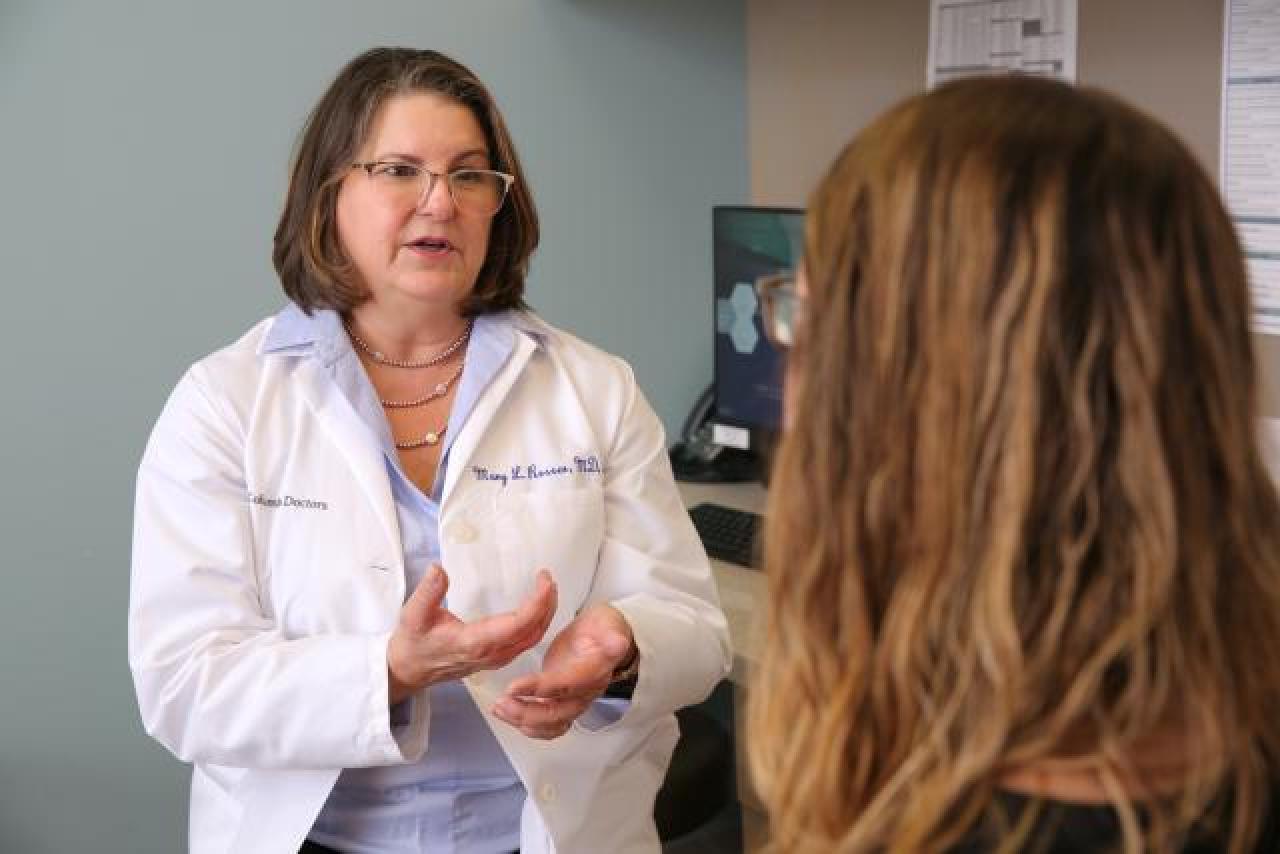
At Columbia, gynecologist Mary Rosser, MD, PhD, is working with neuropsychologist Stephanie Cosentino, PhD, to develop screening tools to detect subjective cognitive decline in post-menopausal women. Identifying subjective cognitive decline before it becomes serious may help doctors recognize and treat issues like Alzheimer's in women sooner.
“Cognitive testing doesn’t pick up cognitive changes until they are more pronounced, so earlier detection of these subtle differences is critical,” says Dr. Rosser. “We’re looking at women's cognitive health as part of annual well woman visits to hopefully slow progression to Alzheimer's disease and other dementias.”
Drs. Rosser and Cosentino discuss how the screening works, the potential causes of subjective cognitive decline, and how to prevent it.
How screening for subjective cognitive decline can improve women’s health
Drs. Rosser and Cosentino created an optional survey that was offered to patients 60 and older at several Columbia gynecology offices for 31 months. They found that about 17% of survey takers screened positive, defined by answering yes to at least one of the following questions:
- Do you have more difficulties with memory than others your age?
- Do you have concerns about your memory or thinking abilities?
Half of the women who screened positive chose to pursue further evaluation with a memory specialist.
“Some memory difficulties are part of typical aging, but we want to make sure that any woman worried about her memory has an opportunity to share her concern and get the appropriate evaluations, feedback, and care,” says Dr. Cosentino.
Drs. Rosser and Cosentino are now expanding their work to screen for subjective cognitive decline in perimenopausal women aged 45 and older, and are actively seeking Black and Hispanic/Latina participants.
“Black and Hispanic women are at increased risk for more severe menopausal symptoms and later development of Alzheimer’s, so it’s important to ensure that they have access to early screening and that our data represents all women,” says Dr. Cosentino.
The screening does not determine the cause of the issue or whether it is reversible, says Dr. Cosentino, but when indicated, a follow-up evaluation can provide a sense of potential factors through detailed patient histories, neurocognitive testing, bloodwork, brain imaging, and more.
Not all changes in memory and thinking are signs of dementia. Alcoholism, hypothyroidism, vitamin B12 deficiency, HIV, head injuries, and other conditions can cause similar symptoms. Many of these problems can be identified and treated without seeing a neurologist.
How to prevent subjective cognitive decline
Some people are more at risk of developing subjective cognitive decline, Alzheimer’s disease, and other dementias due to factors beyond their control, but there are many ways everyone can keep their brains healthy to help slow or even prevent these conditions. Drs. Rosser and Cosentino suggest the following research-backed approaches:
- Eat well: Add more whole grains, fruits and vegetables, and healthy (unsaturated) fats to your diet. Plant protein in particular has been shown to support healthy aging. Even small dietary changes, as opposed to overhauling your whole diet, can be helpful.
- Be physically active: Even low-impact exercises like walking, swimming, and yoga can improve heart health, which is crucial for maintaining brain health.
- Stay socially connected: Phone calls and visits with loved ones, volunteering, and joining community groups can help lower the risk of dementia and mental health problems like depression and anxiety.
- Engage your mind: Activities like crossword puzzles and reading can promote cognitive health.
- Avoid smoking and drinking alcohol.
Ultimately, identifying subjective cognitive decline in women sooner can help them get treatment earlier, improving overall health and quality of life.
“Adulthood has many stages. Well woman checkups need to go beyond breast and pelvic exams,” says Dr. Rosser. “Cognitive disorders not only impact the individual, but also their loved ones who may act as caregivers. We can screen people, and we should.”
References
Mary L. Rosser, MD, PhD, NCMP, is the director of Integrated Women's Health at Columbia University’s Department of Obstetrics & Gynecology, the Richard and Ellen Levine Assistant Professor of Women's Health at Columbia University Vagelos College of Physicians and Surgeons, and an obstetrician-gynecologist at ColumbiaDoctors.
Stephanie Cosentino, PhD, is a professor of neuropsychology in the Department of Neurology, the Gertrude H. Sergievsky Center, and the Taub Institute for Research on Alzheimer's Disease and the Aging Brain at Columbia University Vagelos College of Physicians and Surgeons.