
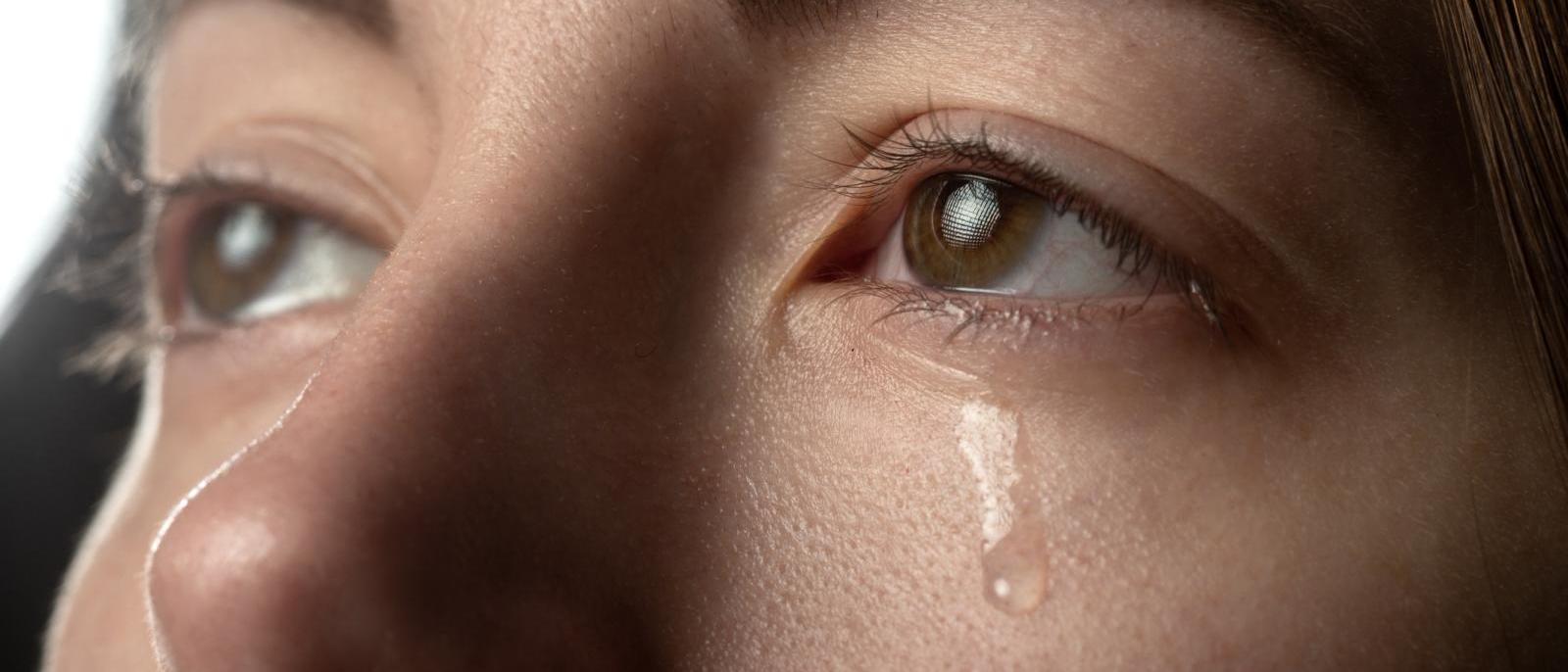
Tears: What They Are, Why We Cry & When to See a Doctor
It’s okay to cry. It’s even healthy for our eyes.
“Eyes tear in response to feeling irritated,” says optometrist Daniel Diamond, OD, who adds that if your tears aren’t clear, there may be an underlying issue.
Dr. Diamond explains the basics of tears and what to do if you have a tearing problem.
What are tears?
Tears are a mix of water, oil, salts, mucous, nutrients like glucose, and immune system cells and antibodies.
Why do eyes tear?
Tears keep our eyes comfortable and healthy. They make sure our eyes are consistently lubricated, as well as flush out irritants such as dust or smoke.
Tears can also be a response to emotion; these “crying” tears are made of different levels of chemicals than normal tears because they are released all at once, and because our bodies’ chemicals (such as hormones) change when we are emotional.
What should tears look like?
Healthy tears are clear to slightly cloudy. Tears of different colors could indicate an underlying issue, such as:
- Orange tears could result from certain medications or supplements
- Red tears could indicate the presence of blood, which could result from infection, eye trauma, or other causes
- Yellow tears could indicate the presence of excess mucous, which could signal infection, allergy, or disease, especially if the eyes are red, swollen, or uncomfortable
When should you see a doctor about tears?
In addition to tears that are different colors, other problems with tears could include eyes that are persistently dry or eyes that are constantly watering. If you have questions about your tears or eye health, contact a health care provider.
Daniel Diamond, OD, is an assistant professor of optometric sciences (in Ophthalmology) at Columbia.