
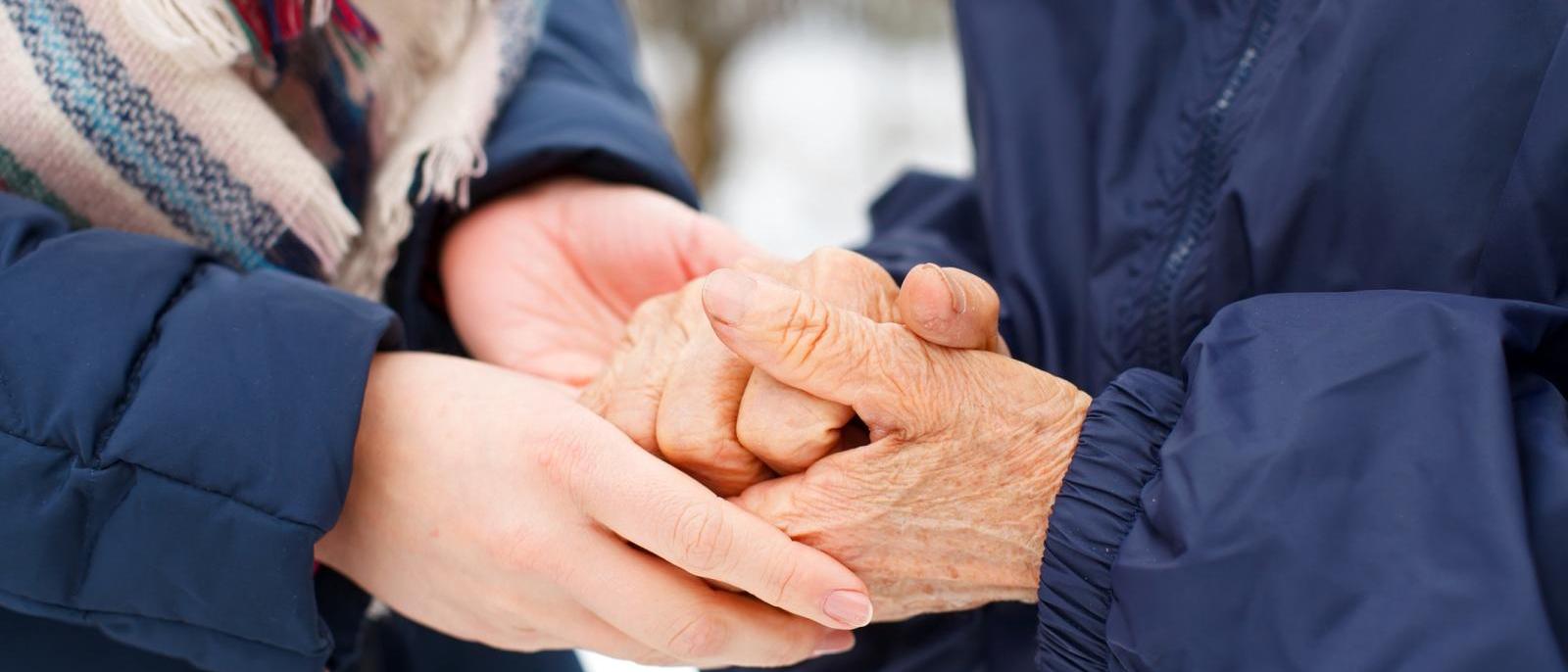
Why is the Cold Weather Hard on Your Joints?
If your achy joints are making it hard to get out of bed in the winter, you're not alone. Some studies have shown that joint pain feels worse in the winter, says Maria Salgado, MD, a rheumatologist at Columbia.
When it’s cold outside, nerves and blood vessels constrict in the arms and legs, decreasing blood flow and circulation to keep our inner core (vital organs) warmer. In addition, cooler temperatures may increase the thickness of the fluid between joints, called synovial fluid, causing the joints to become stiffer and have less mobility.
"A drop in barometric pressure may also lead to increased joint pain for some,” says Dr. Salgado. “What’s more, when it is cold outside, people move around or exercise less, which can lead to a loss of muscle strength and flexibility and, therefore, more joint pain.”
Achy joints or arthritis?
While anyone can experience joint pain when it’s cold out, this discomfort can be pronounced for people with arthritis or other underlying conditions that affect the joints.
“Arthritis can cause stiffness and a decreased range of motion in the body’s joints. Combined with colder temperatures, individuals with arthritis may experience more pain than usual during the winter months,” says Dr. Salgado.
Arthritis is more common than many people realize. More than 58 million Americans are living with some type of arthritis, according to the CDC. Osteoarthritis is the most common type, in which tissue around joints degenerates and causes inflammation. Rheumatoid arthritis is less common—it’s an autoimmune disease that causes your body to attack its own joints.
Many other conditions can also cause joint pain, such as:
- Bursitis
- Cancers of the connective tissues, known as sarcomas
- Connective tissue disorders such as Ehlers-Danlos syndrome and Marfan syndrome
- Hypothyroidism
- Injuries, such as sprains, tears, dislocations, and fractures
- Lyme disease
- Other autoimmune diseases, such as lupus
If your joints are consistently sore or painful even when the weather is warmer, see a doctor to determine the root cause.
How to help your joints survive the cold
Although the cold weather may make your joint pain feel worse, there are some things you can do that can help.
- Dress warmly: Layer clothing to stay warm and reduce exposure to the cold. Choose coats with Velcro or large zippers to make it easier to get on and off. Insulated treaded footwear will help with slippery streets.
- Stay active: Exercise to maintain joint flexibility and muscle strength. Treadmills are a good option for moving indoors; gentle yoga, heated swimming pools, or walking around indoor malls can be a good source of exercise.
- Use heat therapy: Applying heat to affected joints can help alleviate pain and stiffness. Heating pads and paraffin wax baths can be effective options.
- Maintain a healthy lifestyle: A balanced diet, regular exercise, and stress management can all help reduce joint pain.
Can medications reduce cold-weather joint pain?
If bundling up and staying active don’t help your joint pain or arthritis, it might be worth asking your doctor about medications. Your choices will likely depend on the root cause of your joint pain.
Common options include:
- Acetaminophen (Tylenol)
- Duloxetine (Cymbalta), an antidepressant used to treat chronic musculoskeletal pain
- Non-steroidal anti-inflammatories (NSAIDs), such as ibuprofen
When using over the counter medications like NSAIDs, use the lowest effective dose when you experience symptoms, especially if you have heart or kidney disease. If you have rheumatoid arthritis, your doctor may recommend more advanced, long-term treatment.
“There is no cure for most rheumatic diseases, such as rheumatoid arthritis, therefore, the goal of treatment is to put the disease into remission,” says Dr. Salgado, who explains that drugs with some ability to do this are known as disease-modifying antirheumatic drugs (DMARDs). Early treatment can improve physical function, decrease inflammation, and slow or prevent structural joint damage.
Dr. Salgado advises, “If you find that cold weather significantly impacts your joints, speak with your health care provider. It's important to speak to a rheumatologist for a proper diagnosis and to develop a personalized treatment plan. Early intervention is crucial as it can help improve your long-term outlook and keep you moving longer."
Maria Salgado, MD, is an assistant professor of medicine in the Division of Rheumatology at the Vagelos College of Physicians and Surgeons.