
How to Purify Home Air
It’s easy to think that buildings protect us from air pollution, but poor air quality indoors can have serious effects on our health. In fact, most people spend around 90% of their time indoors, breathing in countless contaminants.
“It is very important that we are aware of the air we breathe,” says Stephanie Lovinsky-Desir, MD, chief of pediatric pulmonology at Columbia. “Air pollution can be, and often is, much worse inside than out.”
Dr. Lovinsky-Desir has treated many children who were sick from unhealthy indoor air, including one child with severe asthma triggered by mold and rodent exposure in a basement apartment.
“Breathing healthy air in your home, office, and wherever you spend time indoors is essential for health and wellbeing,” says Dr. Lovinsky-Desir.
She shares the most common sources of indoor air contamination, how poor air quality can affect more than just the lungs, and easy ways to reduce air pollution inside your home.
What causes poor indoor air quality?
Unhealthy indoor air contains toxic gases and/or particles that have short- or long-term health effects. Some of the most common pollutants that are caused by indoor activities include:
- Smoke from cigarettes, vapes, candles, and fireplaces
- Pet dander
- Mold and fungi
- Dust mites
- Insect and rodent droppings, urine, body parts, and saliva
- Volatile organic compounds: chemicals found in some household cleaning products, printers, air fresheners, and paint
- Carbon monoxide from gas stoves and space heaters
Indoor air contaminants can also come from materials used to construct and furnish buildings or enter buildings from outside, such as:
- Smoke, nitrogen dioxide, and ozone from fires and vehicle emissions
- Asbestos, lead, formaldehyde, and other compounds found in construction materials and furniture
- Radon gas from soil beneath buildings
How does poor air quality impact health?
When we inhale, the nose acts as a filter by trapping dust and other harmful particles before they can reach the rest of the airway. However, some of these particles are small enough to pass through the filter and end up directly in the lungs.
Even brief exposure to polluted indoor air can immediately irritate your eyes, skin, nose, and throat, causing them to swell and itch. Some people may also experience headaches, migraines, asthma attacks, coughing, or difficulty breathing
Over time, regularly breathing polluted air can lead to chronic conditions like asthma, emphysema, heart disease, lung cancer, and problems with the reproductive system.
What can someone do to improve their in-home air quality?
Although we can’t always control the environment around us, there’s plenty you can do to help clean the air you breathe:
- Remove dust and other allergens by regularly vacuuming rugs and dusting surfaces with a damp or microfiber cloth.
- When you’re cooking, painting, or doing construction, open windows and doors, or run a window air conditioner with the vent control open for better airflow.
- Consider using a dehumidifier to prevent the growth of mold and fungi.
- Get a radon testing kit online or from your local department store. Low-cost kits are available from the American Lung Association.
- Be aware of poor air quality days in your neighborhood. Close windows when air quality is bad.
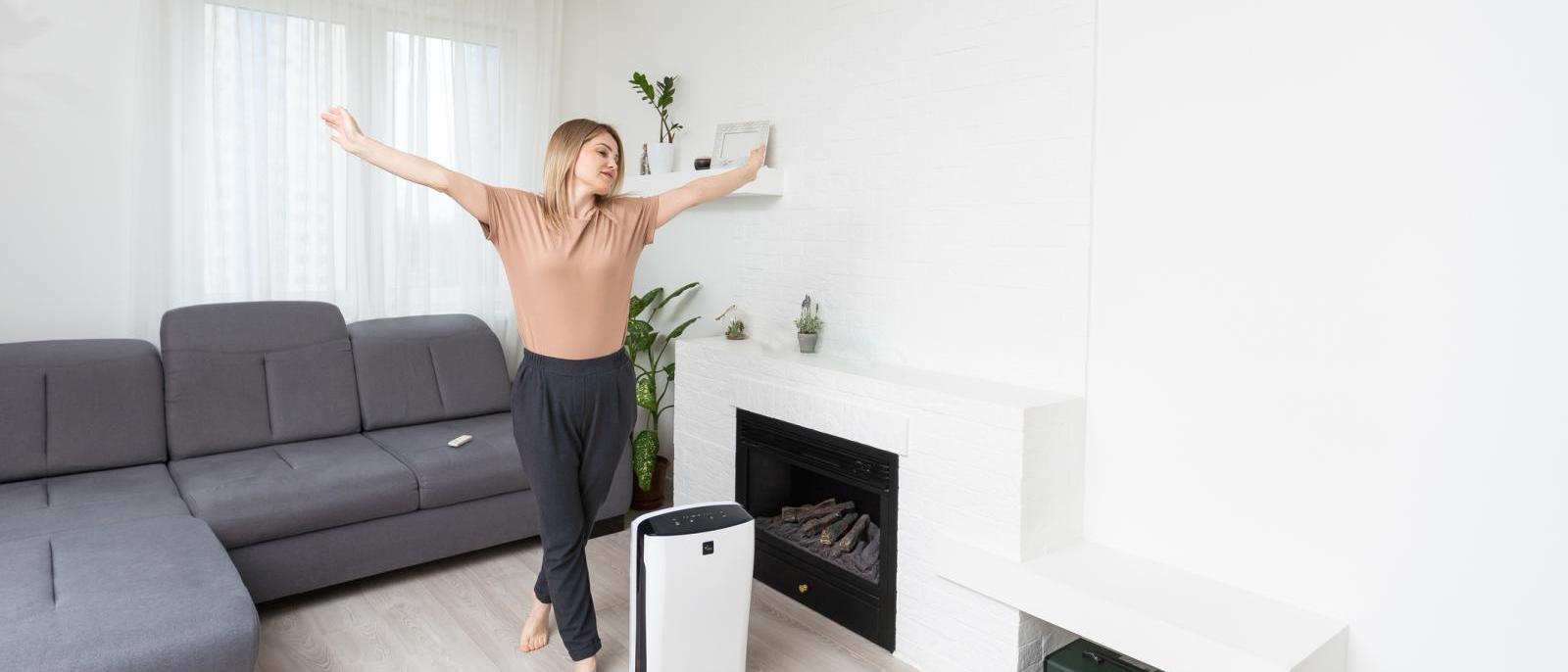
- Air purifiers can be a great way to reduce exposure to indoor pollutants. Look for units without ionizers or that are labeled “ozone-free.”
- Do not smoke inside.
- Do not use pesticides in the home when anyone is inside; open all windows.
If you live in New York City and are concerned about the indoor air quality near you, visit the New York City Department of Health website for additional free resources, to file an indoor air-related complaint, or to learn about the local laws and regulations that help keep our indoor air healthy.
References
Stephanie Lovinsky-Desir, MD, is the chief of pediatric pulmonology at Columbia.