
Elbow Pain
Make an Appointment
Our team is here to help you make an appointment with the specialists that you need.
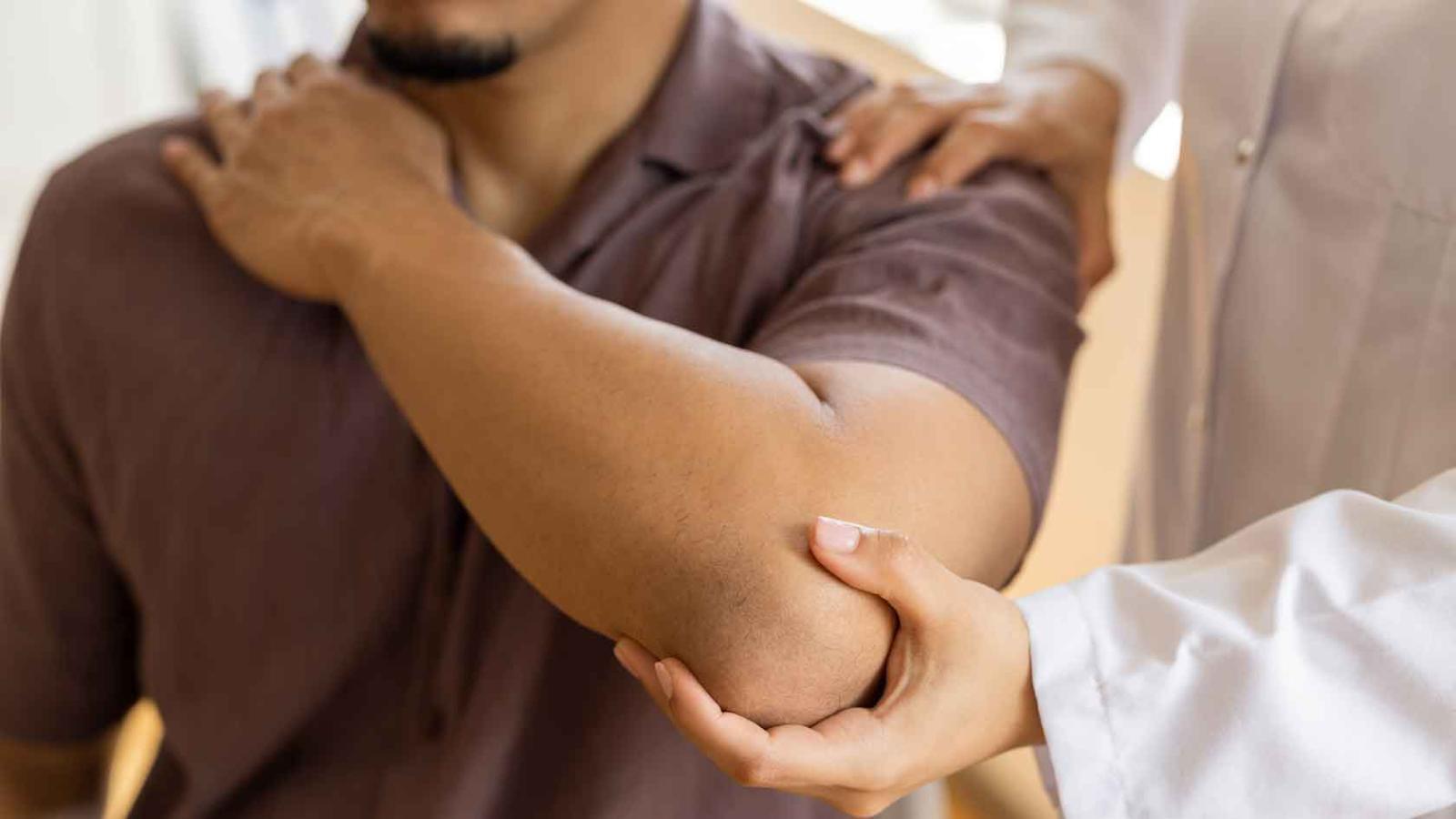
Elbow pain refers to any discomfort in or around the elbow joint. This pain can interfere with activities like lifting, writing, typing, or playing sports. Elbow pain is often caused by overuse, injury, or wear-and-tear. It can affect the bones, muscles, tendons, or ligaments. Some people feel pain only during certain movements, while others may have constant pain, swelling, or limited range of motion.
With the appropriate care, most elbow pain is treatable, especially with early diagnosis and treatment.
What Causes Elbow Pain?
Elbow pain can result from many different conditions, including:
- Tendonitis (e.g., tennis elbow or golfer's elbow)
- Bursitis (inflammation of the fluid-filled sac that cushion the joint)
- Elbow sprain or strain
- Repetitive stress injuries
- Arthritis
- Nerve compression
- Fractures or dislocations from falls or accidents
Pain is often related to overuse, especially from repetitive arm motions at work, during sports, or from hobbies.
What Are the Symptoms of Elbow Pain?
Elbow pain symptoms may include:
- Sharp or dull aching pain in the elbow joint
- Pain that worsens with movement or pressure
- Swelling or warmth around the joint
- Weak grip strength
- Numbness or tingling in the fingers or forearm
- Limited range of motion
Symptoms may come on gradually or appear suddenly after an injury.
When Should I See a Specialist for Elbow Pain?
You should see a specialist if your elbow pain:
- Doesn't improve after a few weeks of rest and home care
- Limits your ability to use your arm
- Is accompanied by numbness or tingling
- Follows a fall or direct blow to the elbow
An orthopedic surgeon or sports medicine specialist can help you get an accurate diagnosis and personalized treatment plan.
How Is Elbow Pain Diagnosed?
To find the cause of your elbow pain, your healthcare provider will:
- Ask about your symptoms and activity level
- Perform a physical exam of your elbow and arm
- Recommend plain X-rays at the initial evaluation (typical)
- Depending on the diagnosis, your specialist may recommend an MRI, CT scan, or ultrasound
A clear diagnosis helps guide the right treatment plan and avoids unnecessary delays in recovery.
How Is Elbow Pain Treated?
Treatment depends on the cause and severity of your elbow pain. Most people improve with nonoperative treatment, but in more serious cases, elbow surgery may be necessary.
Nonsurgical Treatments
Most cases respond well to nonoperative care, including:
- Rest and activity modification
- Ice therapy to reduce swelling
- Compression and elevation
- Anti-inflammatory medications (like ibuprofen or naproxen)
- Physical therapy to strengthen muscles and improve flexibility
- Wrist or elbow braces to reduce strain
If non-invasive treatment does not eliminate symptoms, your doctor may recommend:
- Steroid injections
- Platelet-rich plasma (PRP)
These treatments can reduce symptoms and prevent further damage to the joint or soft tissues.
Surgical Treatments
If nonoperative methods don't eliminate the pain and symptoms, surgery may be recommended for:
- Severe tendon tears
- Advanced arthritis
- Nerve entrapment
- Unhealed fractures
Surgical procedures may involve repairing tendons, removing damaged tissue, or decompressing a pinched nerve. Elbow surgery is typically done as an outpatient procedure, meaning you can go home the same day.
What Are the Risks?
While surgery for elbow pain is generally safe, potential risks include:
- Infection
- Nerve irritation or damage
- Stiffness or loss of motion
- Persistent pain
- Re-tearing of the tendon (rare)
Working with a skilled orthopedic surgeon and following your rehab plan reduces the chances of complications.
What Does Recovery Involve?
Recovery from elbow pain depends on the cause and type of treatment. Most patients start with rest and physical therapy, followed by a gradual return to activity.
If surgery is needed, recovery may include a period of immobilization and a structured rehabilitation program.
How Long Does Elbow Pain Recovery Take?
Recovery time varies depending on the cause and type of treatment used:
- Tendonitis or minor sprains: 2 to 6 weeks
- Bursitis or nerve compression: 6 to 12 weeks
- Surgical recovery: 3 to 6 months, depending on the procedure
Sticking to your rehab plan and avoiding re-injury will help speed up your recovery.
What Is the Outlook for Elbow Pain?
With proper care, most people recover fully from elbow pain and return to normal activities. Early diagnosis, rest, and targeted therapy are key to avoiding chronic issues or more invasive treatments later on.